DAC First Aid

Farmers: highly skilled individuals working with machinery and animals!

Our farm courses are tailer to you!

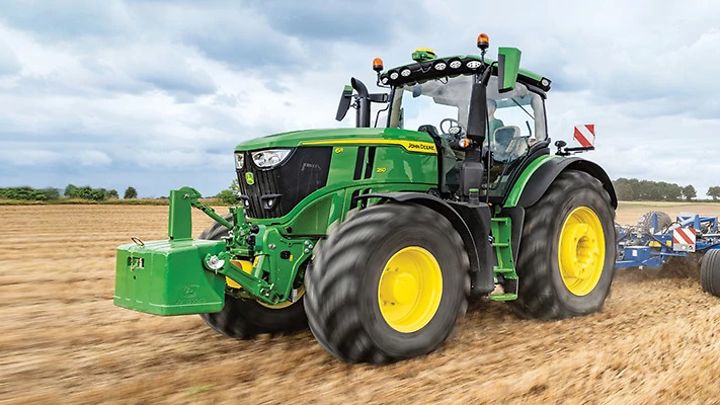
Farmers and those who work on a farm are highly skilled individuals with a great amount of sense and knowledge, but when dealing with unpredictable livestock and heavy machinery, accidents do happen.  First Aid for Farms is important because, when an emergency incident occurs it can take a much greater time for the emergency medical services to reach a remote farm or isolated field.

Our Health and safety course could prevent the accidents happening in the first place. We deliver Farm Health and Safety courses in Suffolk or on your farm, nationwide.

Having the correct first aid kit on the farm and in vehicles will greatly increase the chances of a good outcome from an injury, coupled with some knowledge and understanding of administering medical attention. Our course will teach you what you need.

"I just wanted to thank you for a very successful and well received training event. I received very positive feedback from all, which I wish to pass on, there were lots of discussions around implementation, this is all such a positive way forward for the Farm Teams." - Level 3 Lone worker seriously injured

Centre for Dairy Research (CEDAR)
Reading University

Agriculture Stats

While farming employs around 1% of the UK workforce, it accounts for around 20% of all workplace fatalities.

Higher than average injury rate than other industries
0 %
of work place fatalities are in agriculture
0 %
of pre-hospital deaths from trauma could be prevented with effective first aid
0 %
Lone Worker first aid course - half day

Our lone worker seriously injured course was designed by our MD and accredited by Protrainnings. This Level 3 course realises that Lone workers can face a range of challenges and risks, including accidents, injuries, and health emergencies. They may also be more vulnerable particularly if they work in isolated or high-risk locations. 

Employers, including Farmers, have a responsibility to their workers to ensure the safety and well-being of their lone workers on the farm. Providing lone working first aid training may involve providing training to administer first aid on themselves, carrying the correct lone worker first aid kit and providing support to help them manage risks and respond to emergencies.

Do lone workers need to be first aid trained? 

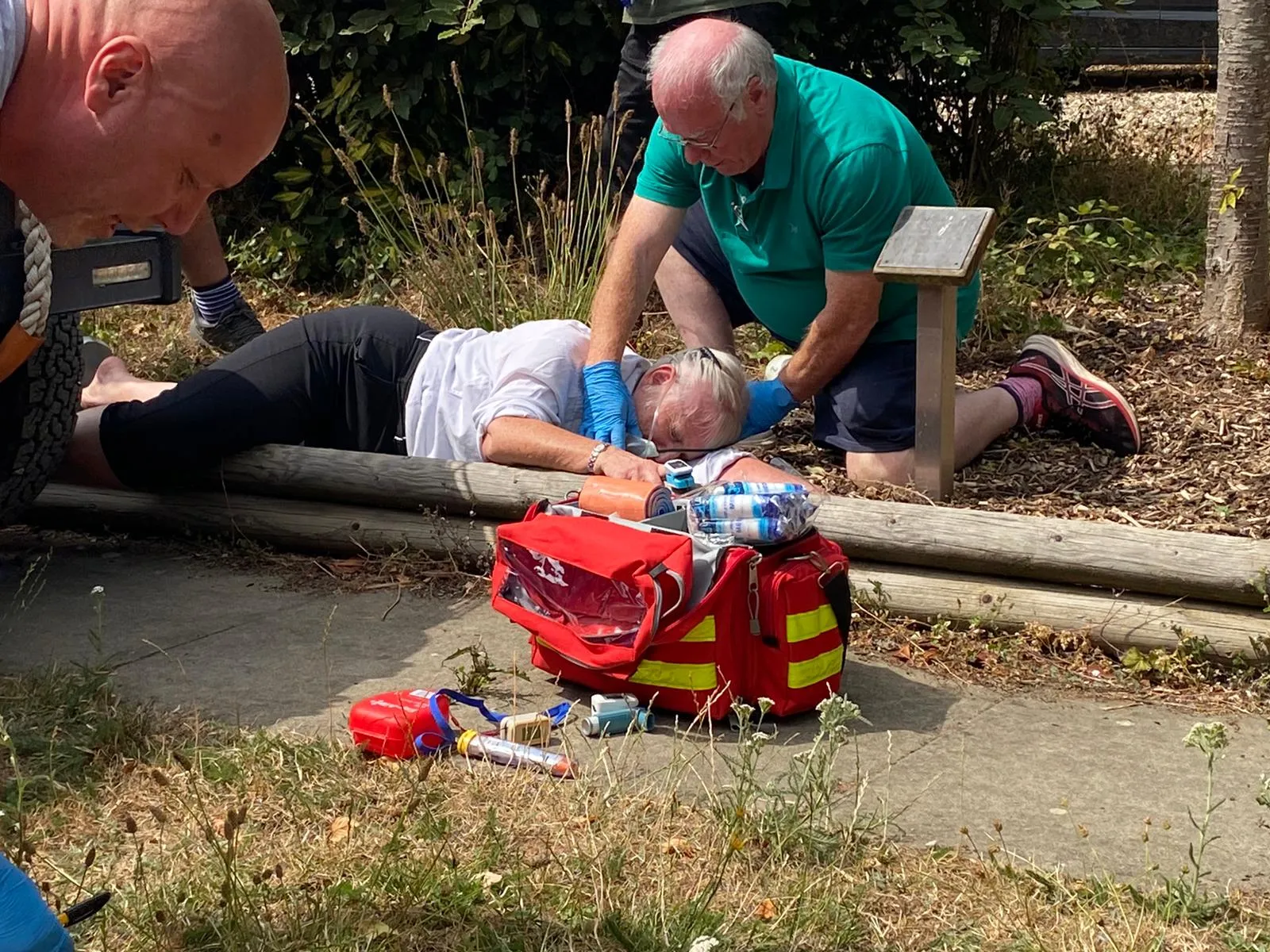
Well we think so, Lone workers should be confident in their own ability to administer first aid to themselves to stop bleeding and avoid life changing injuries while in a remote location while waiting for help to arrive. 

The lone worker seriously injured half day course can be taught at your location (requires a minimum of 6 people on the course) or join one of our scheduled courses at our training centre in Suffolk.

Regular dates at our centre in Suffolk thought the year

Emergency First Aid At Work - For Farmers. 1 day

Emergency First aid for farmers includes the extra training for their High Risk environment. This One day course is HSE recognised and meets Red Tractor certified standards for health and safety.

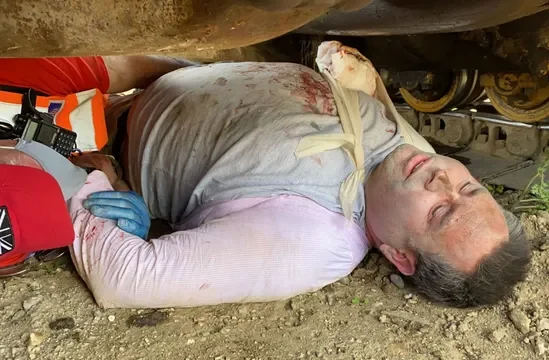
It would be beneficial and potentially life saving for farmers to learn how to manage catastrophic haemorrhages and crush injuries, making the high risk element of this emergency first aid course ideal for those who work on a farm so as to potentially save a life or limb. 

The emergency first aid High Risk course can be taught at your farm (requires a minimum of 6 people on the course) or join one of our scheduled courses at our training centre in Suffolk. 

Regular dates at our centre in Suffolk thought the year

First Aid At Work - 3 day

Our 3-Day First Aid at Work course is perfect for anyone looking to become a qualified workplace first aider. It’s ideal for higher-risk environments or larger organisations, and it meets all Health and Safety Executive (HSE) requirements.

Across the three days, you’ll learn how to deal with a wide range of medical emergencies, including CPR, serious bleeding, burns, fractures, and managing unconscious casualties. You’ll also gain the confidence to stay calm and take action when it matters most.

The course is engaging, hands-on, and led by experienced instructors who make learning easy and memorable. Whether you’re new to first aid or refreshing your skills, you’ll leave with a nationally recognised qualification and the knowledge to help save lives.

Join us and be the person who makes a difference when it counts. Suitable for all industries and fully accredited.

Regular dates at our centre in Suffolk thought the year

Fire Safety

DAC Education’s Fire Safety Awareness training is designed to give staff the essential knowledge to prevent, identify, and respond to workplace fire risks. Ideal for all employees, this short course helps you meet your legal obligations under the Regulatory Reform (Fire Safety) Order 2005.

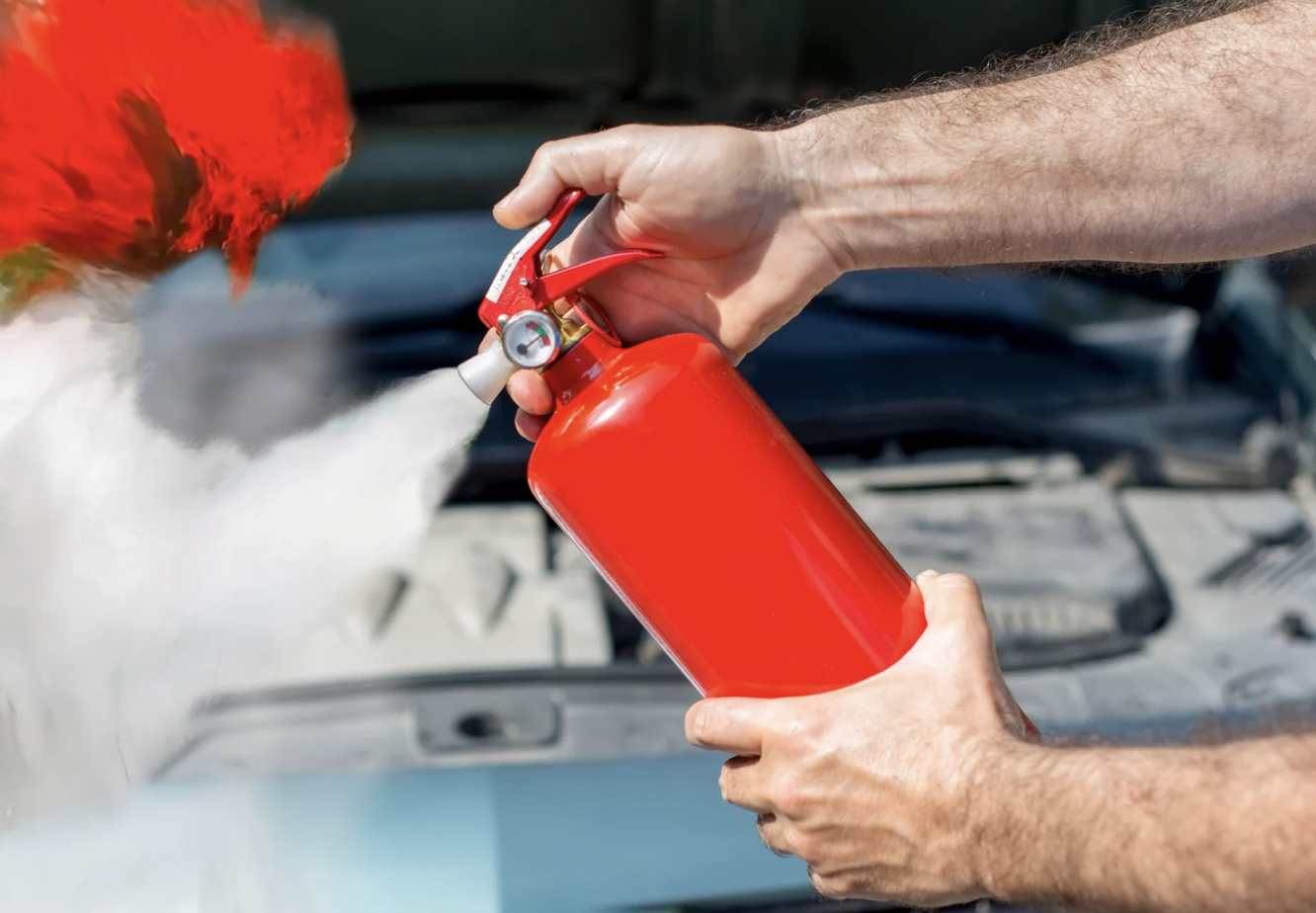
Delivered in Suffolk or nationwide at your workplace, this training covers common fire hazards, evacuation procedures, fire extinguisher types, and emergency response actions. Our expert instructors use real-world scenarios to make the training engaging and practical.

Whether you’re in an office, school, factory, or care setting, this course ensures your team understands their fire safety responsibilities and feels confident in an emergency.

Working at Heights

DAC Education’s Working at Height Awareness course is designed specifically for those working in farming and agricultural settings, where accessing roofs, silos, ladders, and machinery platforms is a regular part of the job.

This short but essential course helps farmworkers and landowners understand their legal responsibilities under the Work at Height Regulations 2005, while teaching how to identify risks, use safe systems of work, and choose the correct safety equipment.

Learn how to avoid common agricultural fall hazards, reduce risk when working on uneven ground or at height, and respond correctly to an incident.

Manual Handling

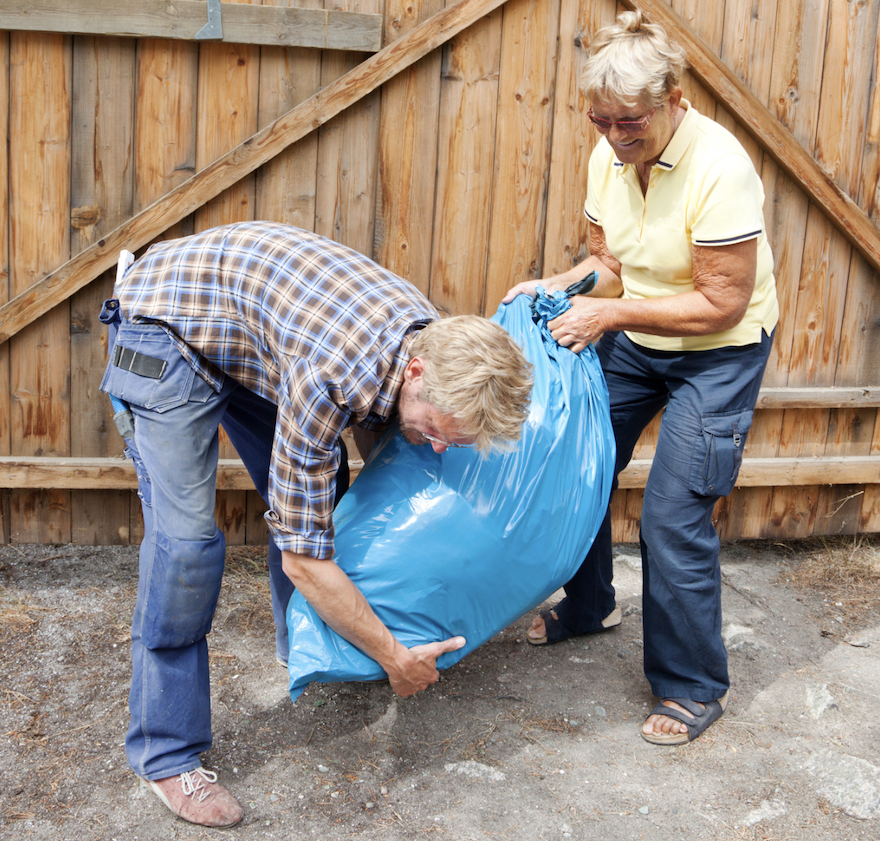
DAC Education’s Manual Handling Awareness for Agriculture course is tailored for farmworkers, landowners, and rural teams who regularly lift, carry, push, or pull loads such as feed bags, hay bales, tools, machinery parts, and livestock.

Farms are high-risk environments, and poor manual handling techniques are a leading cause of injury in agriculture. This practical course helps reduce those risks by teaching safe lifting techniques, load assessment, posture, and how to prevent musculoskeletal injuries.

Delivered on your farm or at our Suffolk centre, this training complies with the Manual Handling Operations Regulations 1992 and is ideal for new staff, seasonal workers, or as a refresher for experienced teams.

DAC First aid

We have trained a whole variety of first aiders

From Professionals in the ambulance services to first aid volunteers in schools and workplaces

courses
+ 0
certifications
+ 0